Broadcast - 12 April 2026
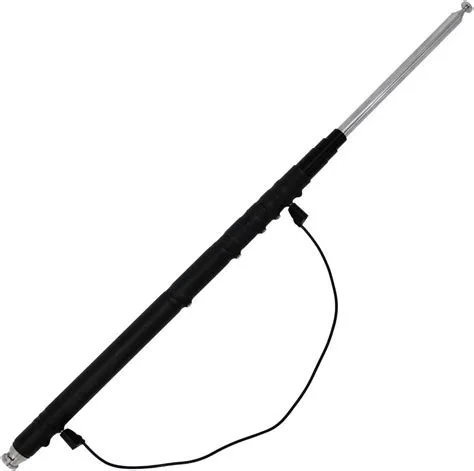
For a bit of Friday morning tea tech interest, Martin VK7JAH brought along his newly acquired multiband telescopic antenna for his Yaesu FT-817. The antenna features an integral BNC connector, making it especially convenient for use with the FT-817 when operated in the vertical position, as the radio includes a front panel BNC antenna port.
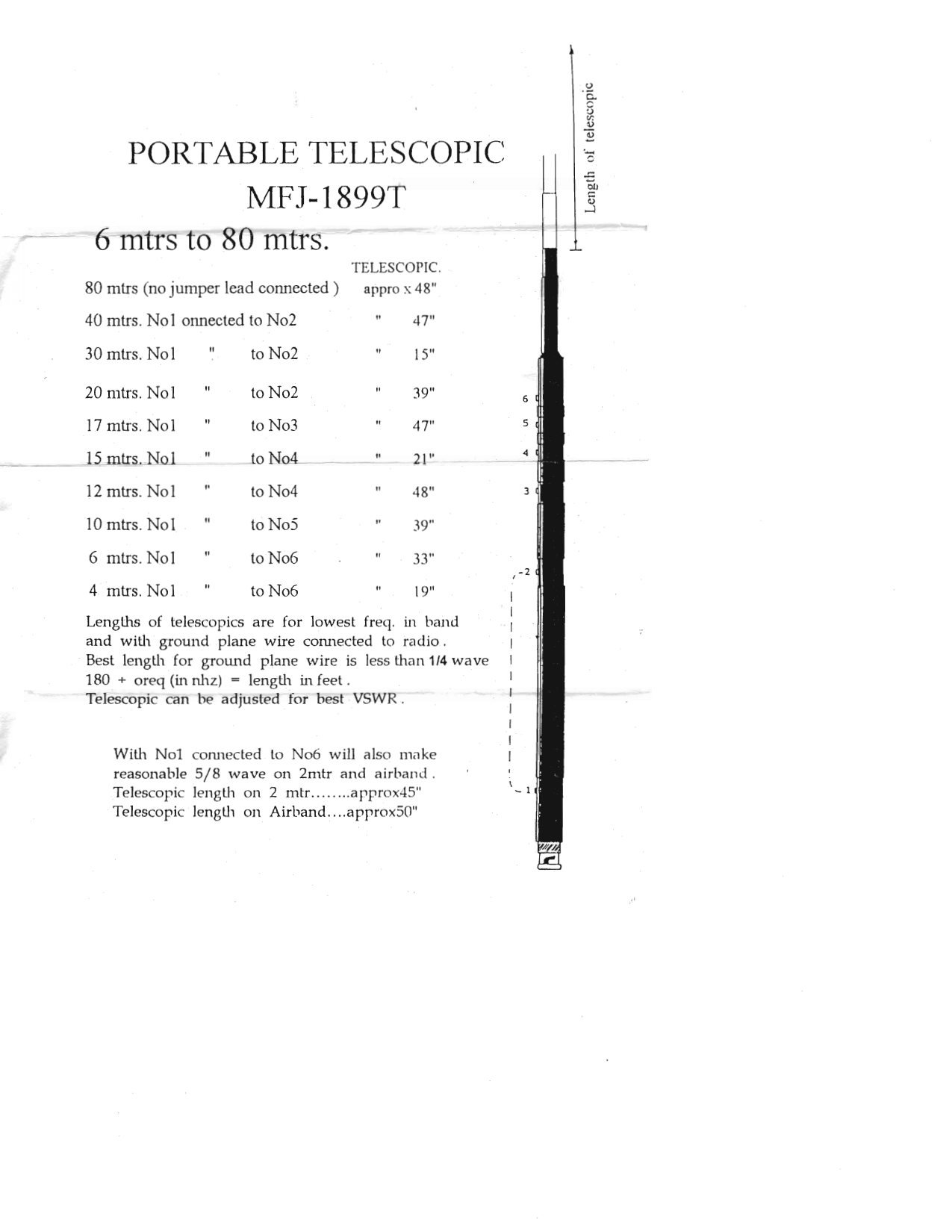
Often referred to as a tapped whip or Terlin-style antenna, this model incorporates a telescopic whip section and provides coverage across all HF bands from 80 metres through to 6 metres. The distributor’s description captures its appeal well: “The GRA-1899T Portable Telescopic HF Antenna is designed for amateur radio enthusiasts who want a convenient way to tune to their desired frequency…. Band changing is achieved by simply plugging the wander lead into the appropriate socket on the base coil, and then making fine tuning adjustments with the 10 section telescopic whip.” Primarily intended for QRP field operation, the antenna also separates at the midpoint, allowing it to pack down neatly into its carry bag for easy transport. Fully extended, the antenna reaches 1.6 metres. It collapses to 400 mm, with a stowed length of just 300 mm. We hope to hear a user experience update from Martin once he’s had more time to put it through its paces.
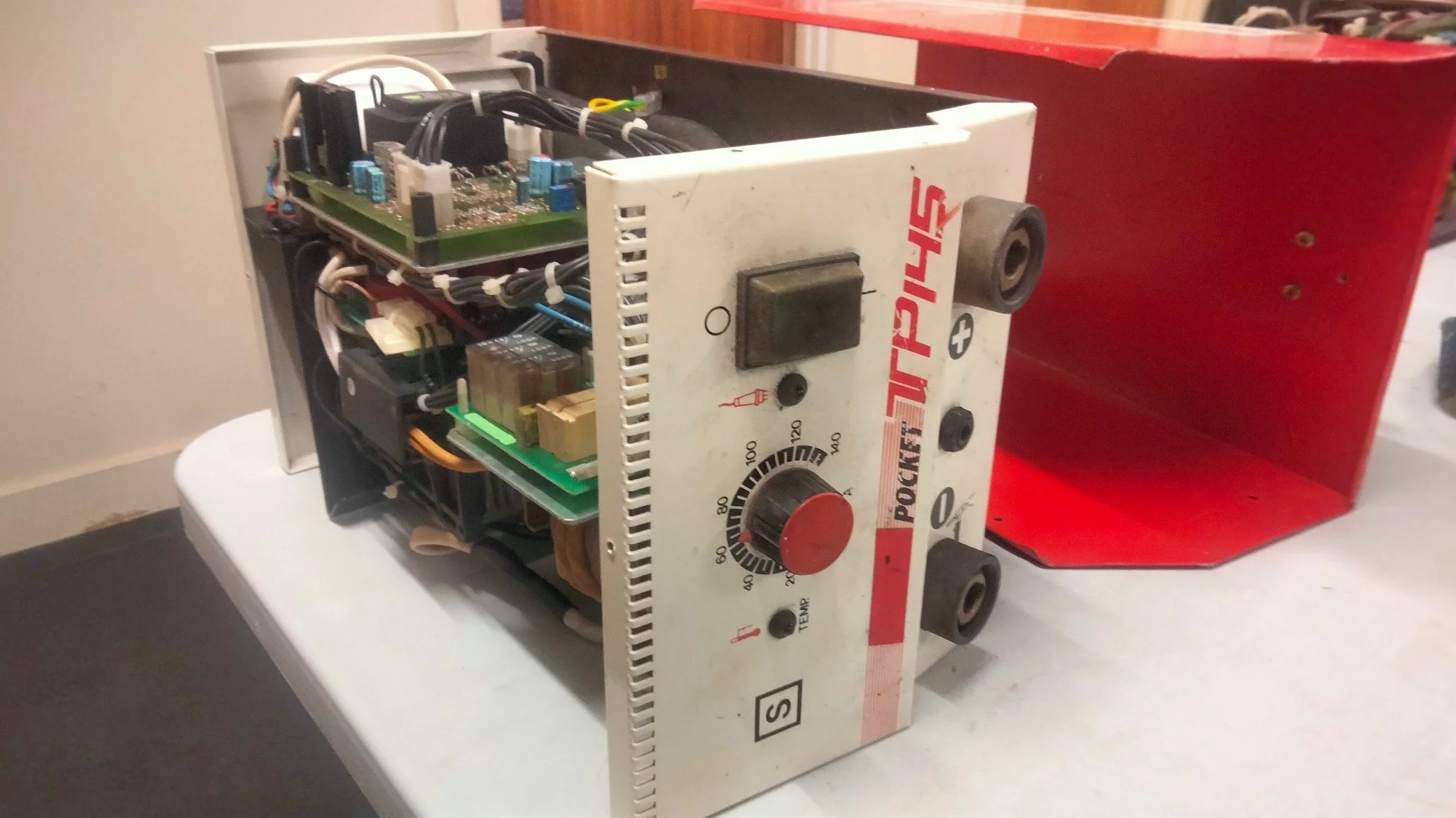
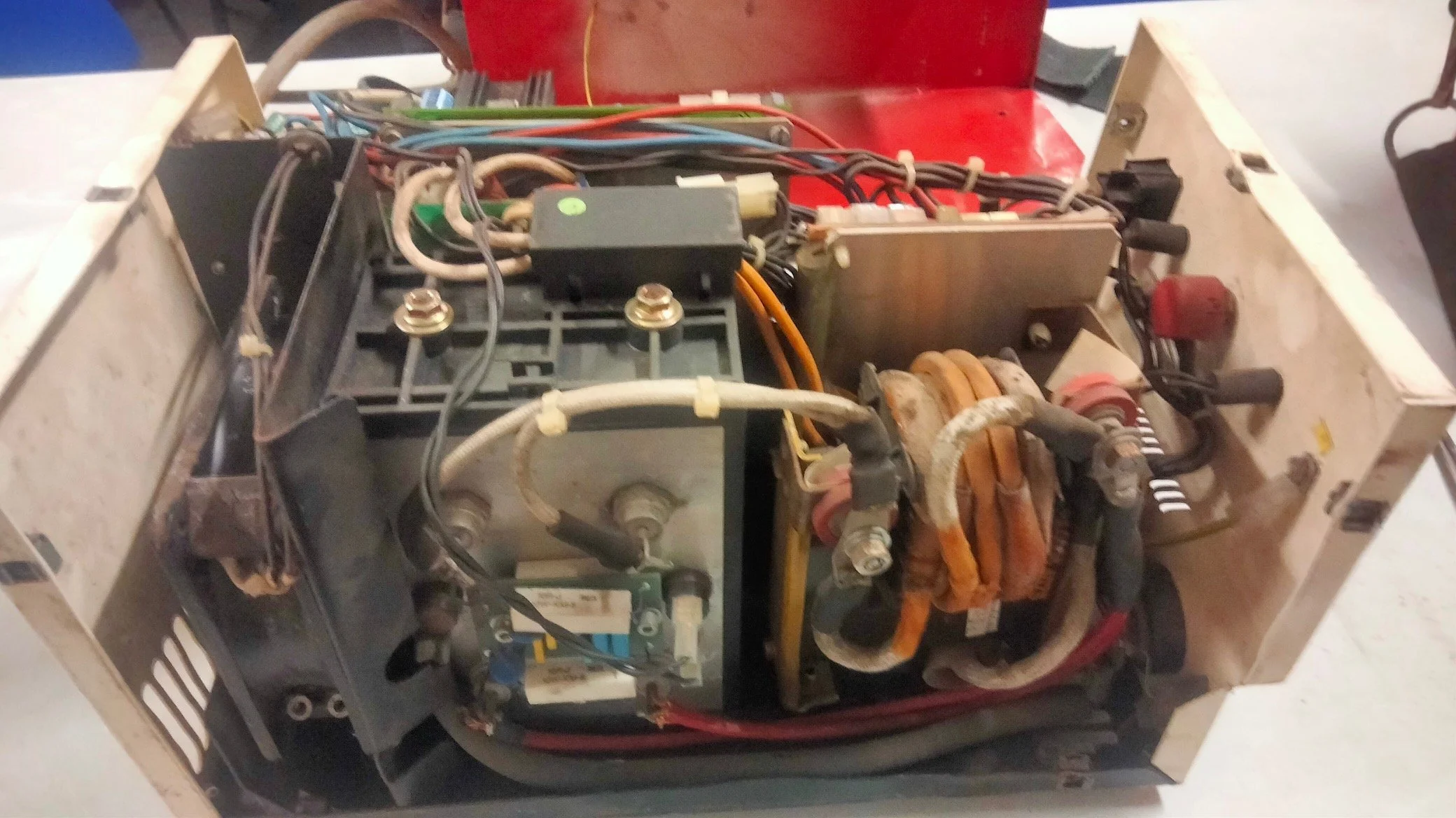
As a follow on from last week’s discussion about his high-power MOSFET control circuit issue, Ross VK7ALH brought in two switch-mode welders manufactured by Fronius in Germany. These weren’t for a welding demonstration, but rather to compare the construction differences between two units of the same model. Both welders were produced in the late 1980s and carry the model name Pocket TP145. One can only assume the word Pocket refers to their switch-mode design, making them relatively portable compared with the heavy “block-heater” style welders common at the time. Fronius itself dates back to 1945, the year the Second World War ended.
Aside from minor cosmetic variations, the most striking difference between the two units was the reversal of the positive and negative output terminals. One can imagine the confusion this might have caused if both were used on the same worksite.
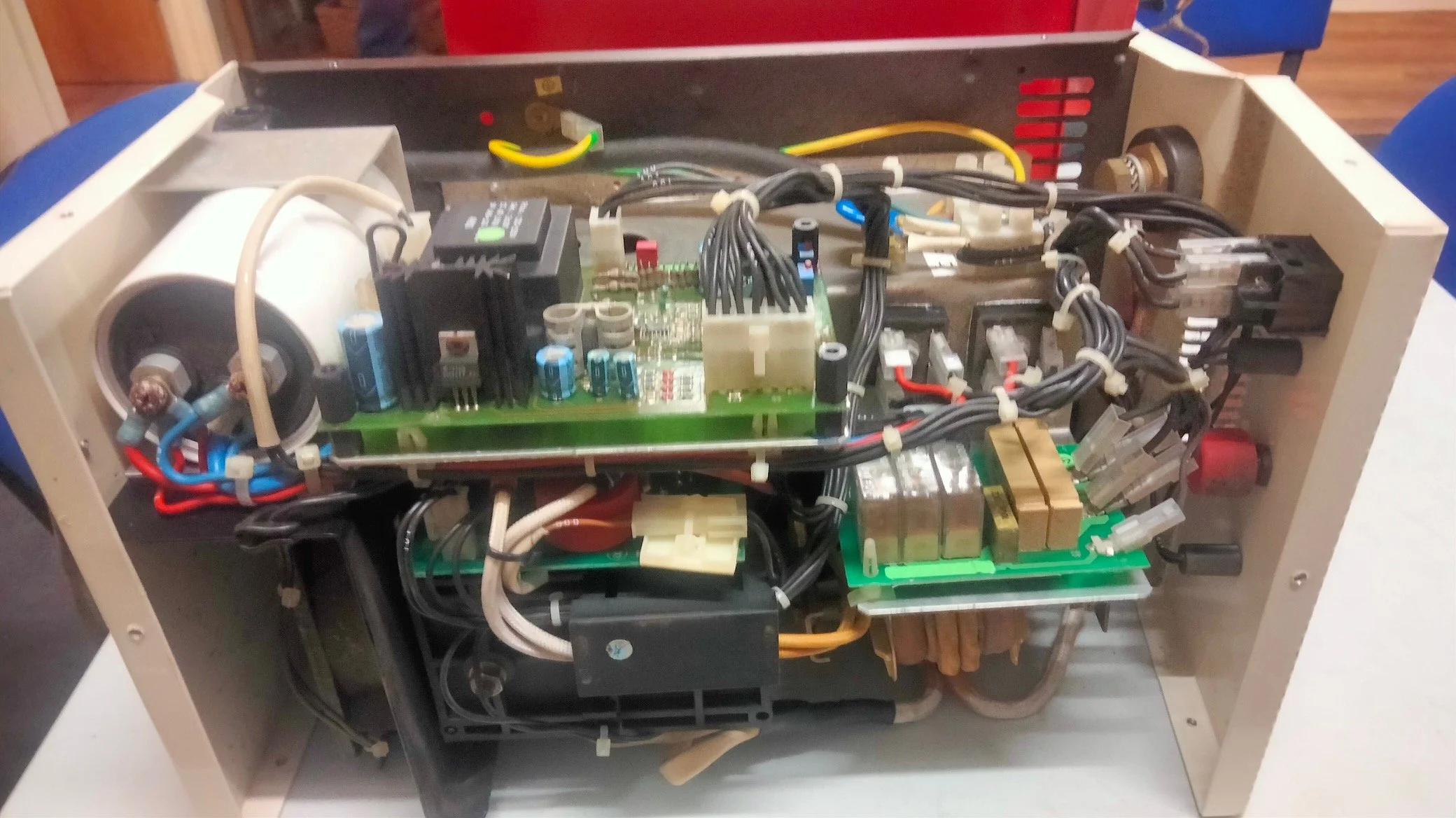
The real interest, however, lay inside on the main control PCB. Each unit featured an impressive amount of early surface mount device (SMD) technology. Although SMT was developed in the 1960s, it represented only a small share of PCB manufacturing by the mid-1980s. It wasn’t until the late 1990s that SMD became dominant in high-tech electronics. Fronius was clearly ahead of the curve in adopting modern design and manufacturing techniques.
Surprisingly, the control boards were neither sealed nor coated with the usual funny white silicone or acrylic conformal layers, yet they remained remarkably clean. And no, Ross hadn’t tidied up these forty year old units for our benefit.
All in all an excellent Friday morning tea!
As usual pictures will be available on the NTARC Web site under “Blogs” for this broadcast. NTARC Blogs
UPCOMING EVENTS
On Air Test and Technical Net session - Every Wednesday night, Test-Net and CW course on 3.580 MHz from 7 pm, then a Technical Net on 3.567 MHz from 7.30 pm till 8.30 pm. Your host for the evening is Nic, VK7WW.
Club Room Technical night - The next session will be Wednesday the 15th April and will commence at the usual time of 6.30 pm at the Club Room Archer Street, Rocherlea.
Club General Meeting – Has been moved to Wednesday 22nd April at 7:30pm. Held at the NTARC Club Room, Rocherlea Scout Hall, Archer Street, Rocherlea. If you have items you would like added to the agenda please email the secretary at: secretary@ntarc.net .
Coffee Morning - Held every Friday in the NTARC Club rooms. Time is from 10 am to noon.
Finally - If you have any items of news please email them to the Secretary at the following address news@ntarc.net all items to be received no later than 5 pm on the Friday prior to the Broadcast.
That’s all folks,
73, Stefan VK7ZSB.